Instrument of craft: TASCHEN
Peter Lindbergh: On Fashion Photography
The monograph that taught a generation to trust the sitter.
- Maker
- TASCHEN
- Published
- August 31, 2026
Every fashion photographer's shelf has a book that taught them to look, and for a generation that book is the TASCHEN Lindbergh monograph. Peter Lindbergh: On Fashion Photography is a compendium of four decades of Lindbergh's fashion work, the kind of volume that does not decorate the studio so much as anchor it.
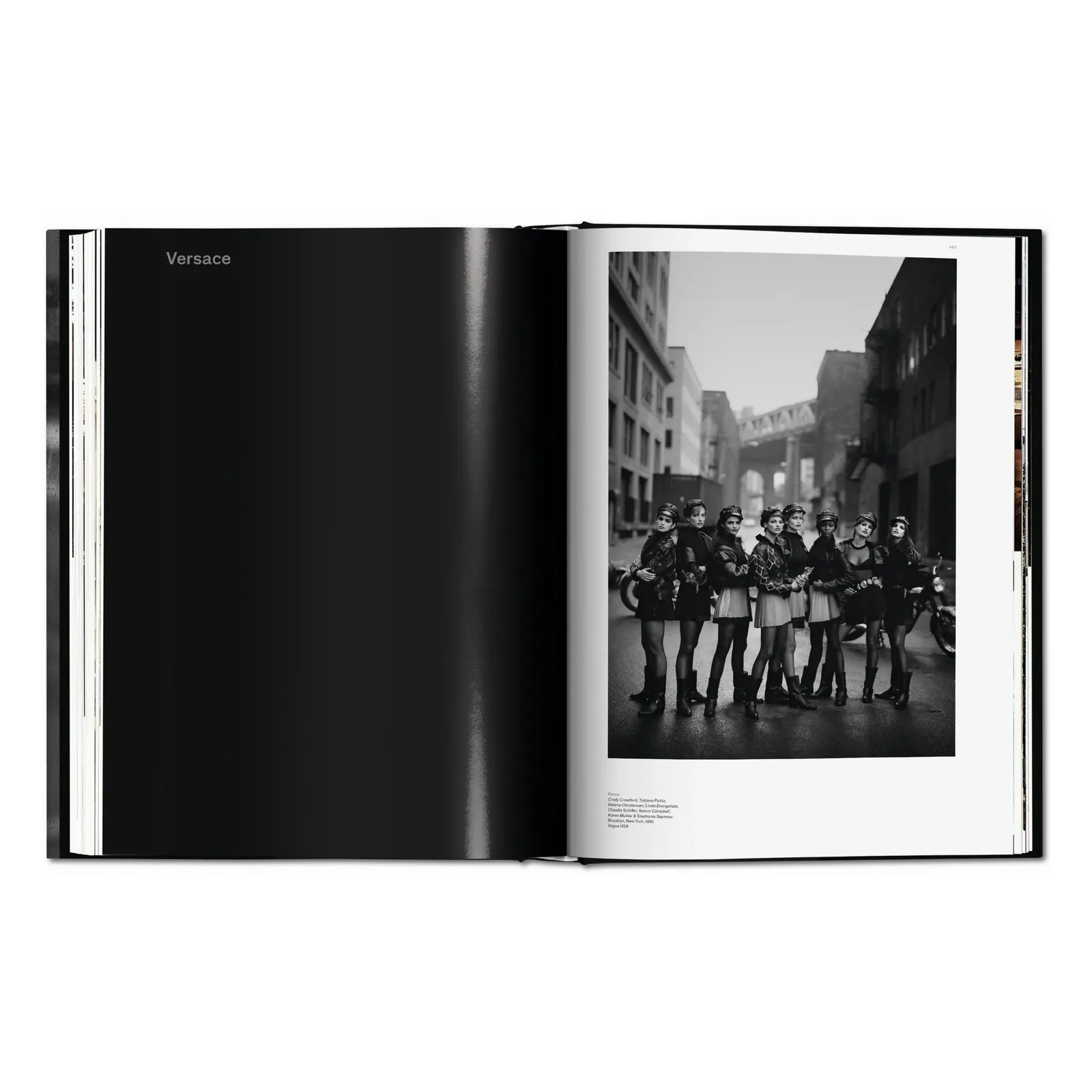
The instrument here is the monograph itself, and Lindbergh's work is unusually well served by the form. His photographs were made against the grain of fashion's polish: natural light, minimal retouching, women photographed as people rather than surfaces. On the page, in sequence, that position becomes an argument. The book does what no single image can do. It shows a lifetime of refusing, and makes the refusal look like the only sane choice.
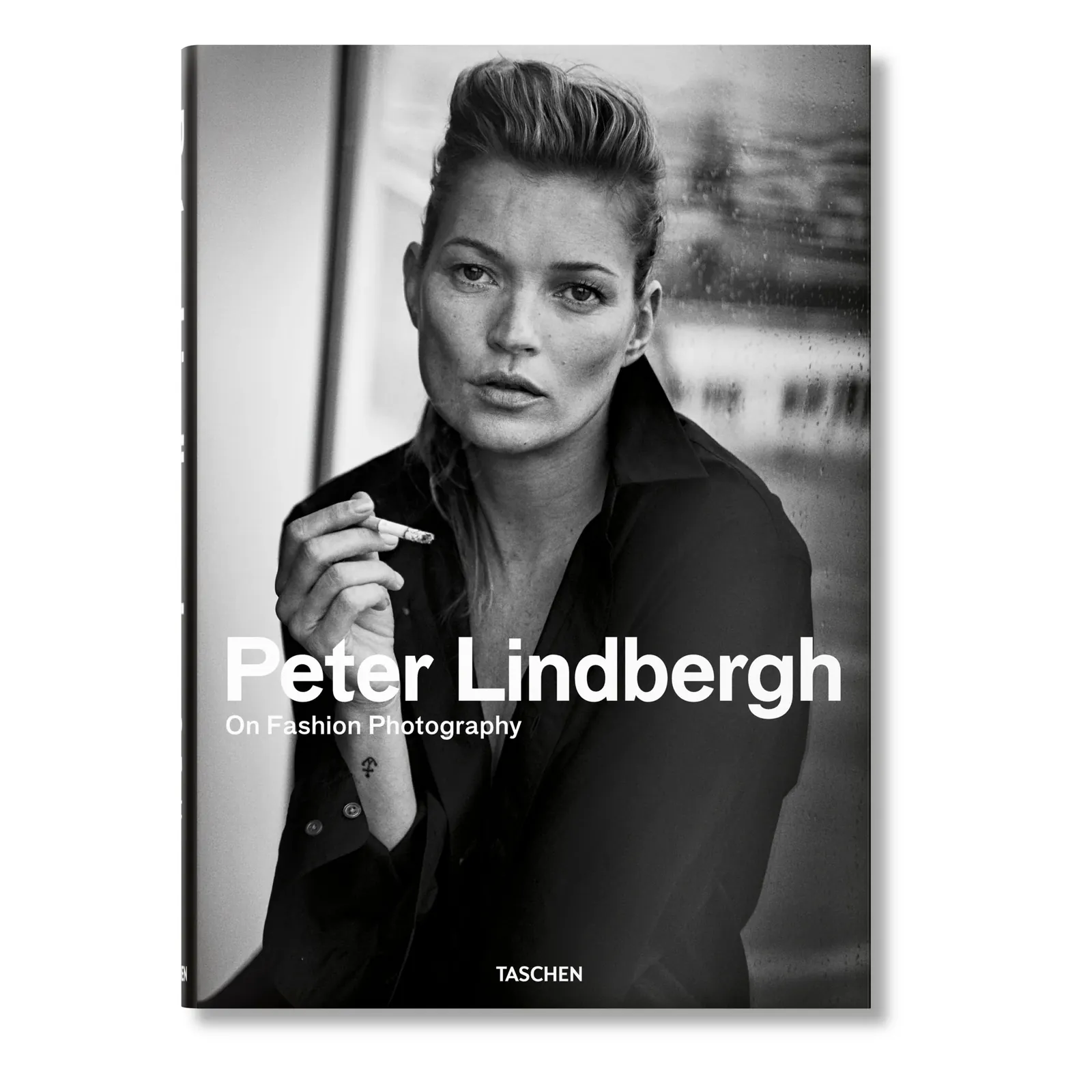
Four decades is the operative scale. Fashion moves in seasons; a career measured in decades is the medium's real time. The compendium lets the reader watch the work hold steady while everything around it changes: the magazines, the models, the technology, the industry's idea of beauty. Consistency at that scale is not repetition. It is conviction, documented.
Who it serves: the culture audience, the photography student, the working photographer who needs reminding that the strongest fashion images were often the simplest. It is essential shelf reading because it is a reference and a corrective at once: this is what the work looked like when it trusted the sitter, and here is the proof that trust photographs well.
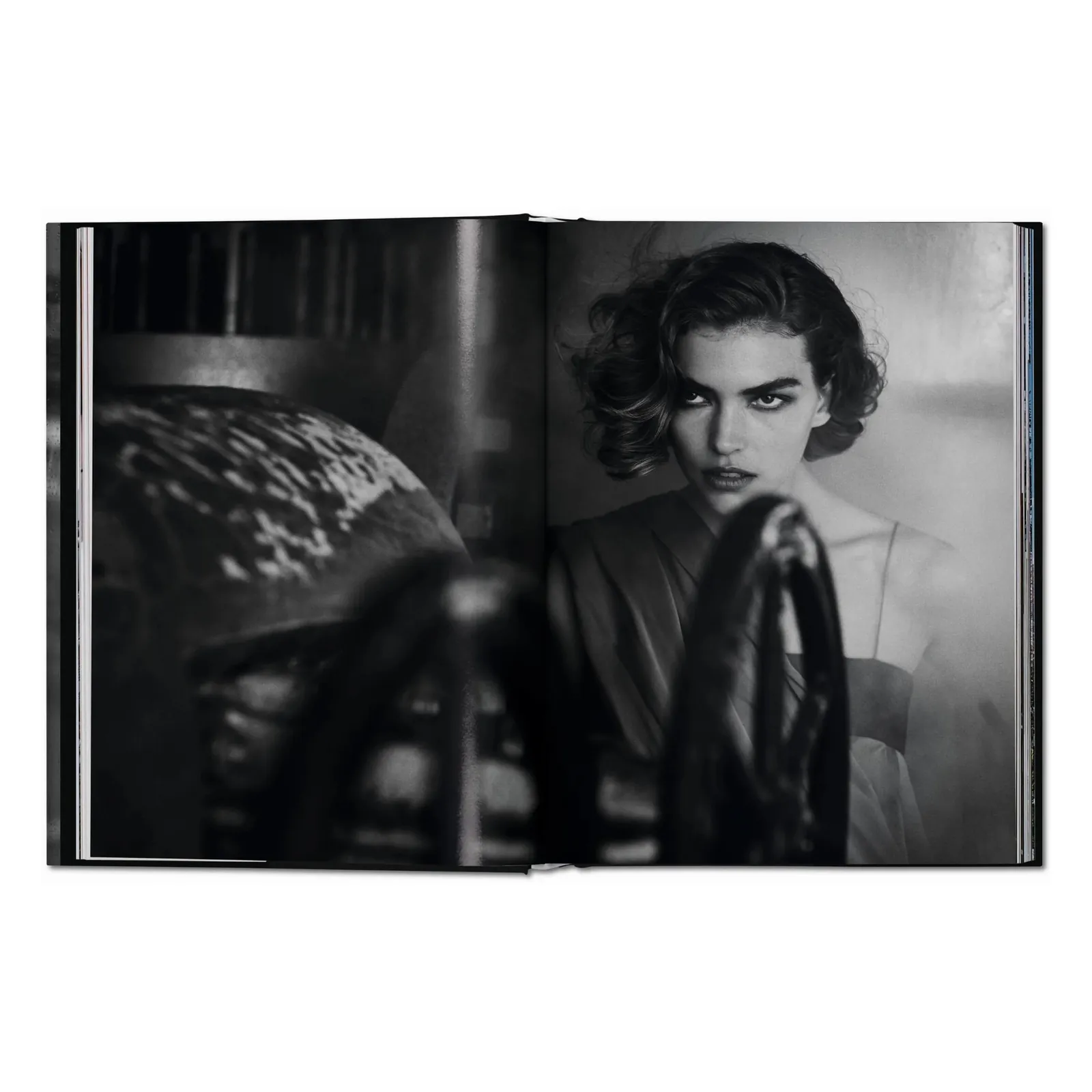
Where it sits in the process: after the shoot, after the career, in the studio library where the next generation finds it. TASCHEN's production values matter here: the reproductions have to carry the tonal subtlety of Lindbergh's blacks and whites, the paper has to hold the grain. A monograph is judged as an object, and this one was built to be judged.
The dry note: monographs flatter their subjects by selection, and every compendium is an edit with an agenda. The agenda here is legible and worth having: fashion photography as portraiture, the sitter as a person, the camera as a witness rather than a machine for fantasy. It is an honest fiction about an honest photographer, which is the best kind of book the industry produces.
Books like this also do quiet work in the studio that no exhibition can. They sit open on the desk during the edit, propped against the monitor, consulted the way a painter consults a postcard of a master. The monograph becomes a working tool, not a trophy: the standard against which the day's frames are measured, and usually found wanting, which is the point.
Confirm pricing at the linked page. Some books you read. This is one you keep within reach, because the work in it keeps answering questions the industry keeps asking.