Instrument of craft: Canon
Canon EOS R5 Mark II
One body, one lens set, one card workflow, two deliverables.
- Maker
- Canon
- Published
- September 11, 2026
The modern fashion brief rarely asks for stills alone. The photographer delivers the editorial frames and the motion cut, often from the same day, often from the same setups. The EOS R5 Mark II is the hybrid workhorse built for that day: a 45MP stacked-sensor stills camera that also shoots 8K raw video, so the motion team and the stills team can be the same person.
The stacked sensor is what makes the hybrid promise honest. Stills and video demand different things from a sensor, and a camera that compromises either side produces footage the editor resents and frames the retoucher pities. The R5 Mark II's 45MP resolution is the working editorial standard, large enough for the page, manageable enough for the pipeline.
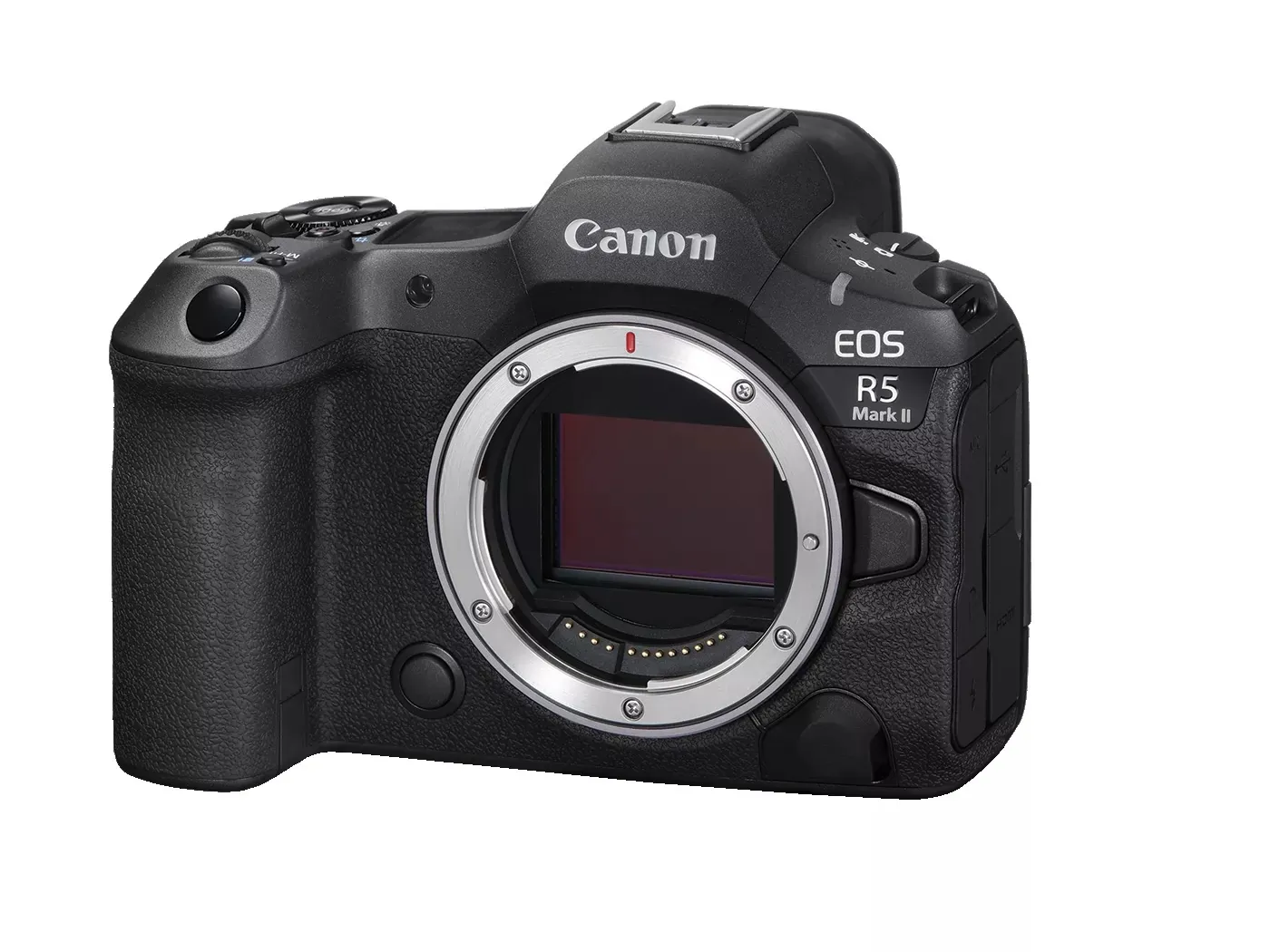
Eye Control AF is the feature that sounds like a gimmick until a photographer uses it on a moving model. The camera focuses where the photographer looks. On a fashion set, where the eye is constantly deciding between the face, the garment, and the gesture, that is not a party trick. It is the focusing method catching up with how photographers have always worked: the eye leads, the camera follows.
Who it serves: the fashion shooter whose deliverables include both the stills edit and the motion files, the small team covering a lookbook, the photographer whose clients ask for video without hiring a video department. The camera collapses two kits into one bag, which on location is a serious form of money.
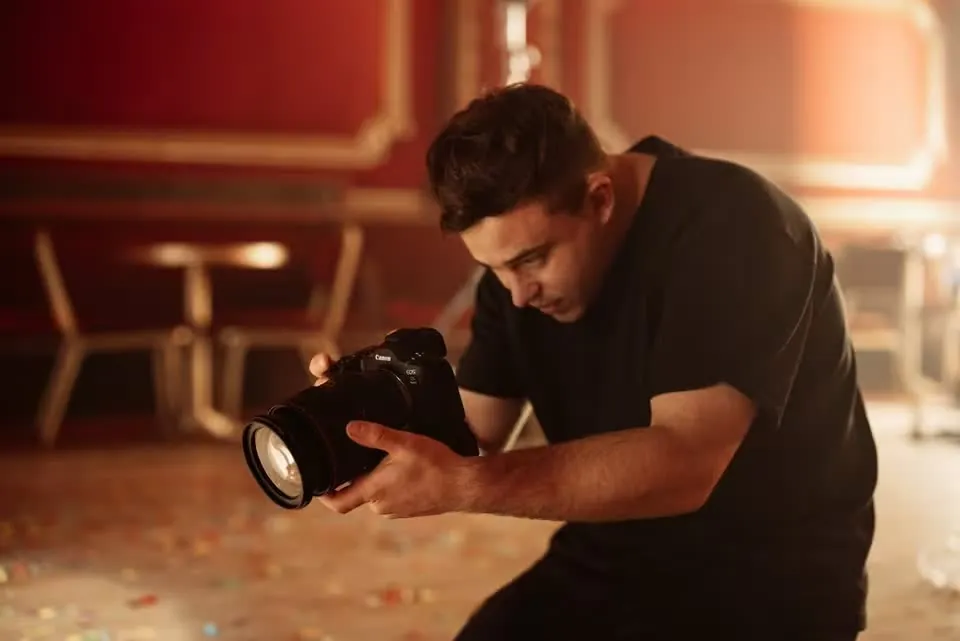
Where it sits in the process: at the center of the hybrid shoot day, capturing stills between motion takes and motion between stills setups. The 8K raw video gives the motion edit room to reframe, which matters when the stills photographer is directing both.
The honest accounting: hybrid days are harder days. The photographer directs two mediums at once, and no camera removes that load. What the R5 Mark II removes is the equipment excuse. One body, one lens set, one card workflow, two deliverables. The rest is directing.
The stills themselves benefit from the hybrid discipline. A photographer who knows the motion cut needs a wide master and a tight insert starts composing stills with the same coverage instinct. The frames get more generous, the sequencing gets smarter, and the edit the art director receives feels like it was shot by someone thinking in spreads and timelines at once.
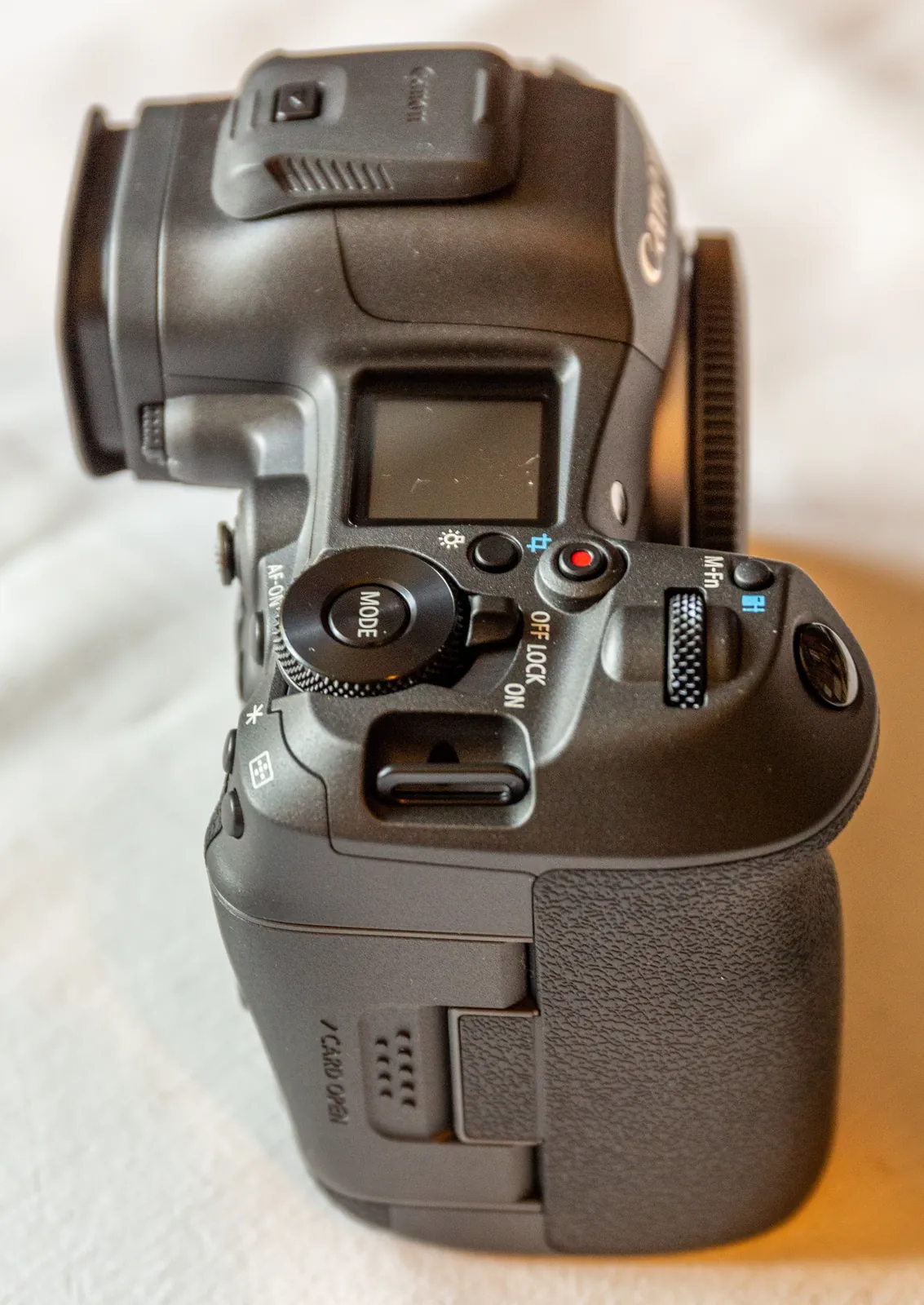
Confirm pricing at the linked page; configurations vary. The instrument's argument is a scheduling one: the day that used to need two crews now needs one photographer who can see in both.