Instrument of craft: Pina Zangaro
Pina Zangaro Screwpost Portfolio Books
A bound book is a statement. A screwpost book is an edit.
- Maker
- Pina Zangaro
- Published
- September 3, 2026
The portfolio review is the job interview of fashion photography, and it is conducted in silence, across a table, with the art director turning pages. The Pina Zangaro screwpost portfolio book is the presentation standard for that silence: the case photographers carry into agencies, the object that has to speak before they do.
The screwpost binding is the instrument's genius, and it is a mechanical genius. Pages are held by metal posts that unscrew, which means the portfolio is never finished. The photographer re-sequences the book the night before the meeting, pulls the weak spread, promotes the new work to the front. A bound book is a statement. A screwpost book is an edit, and the edit is the photographer's real skill.
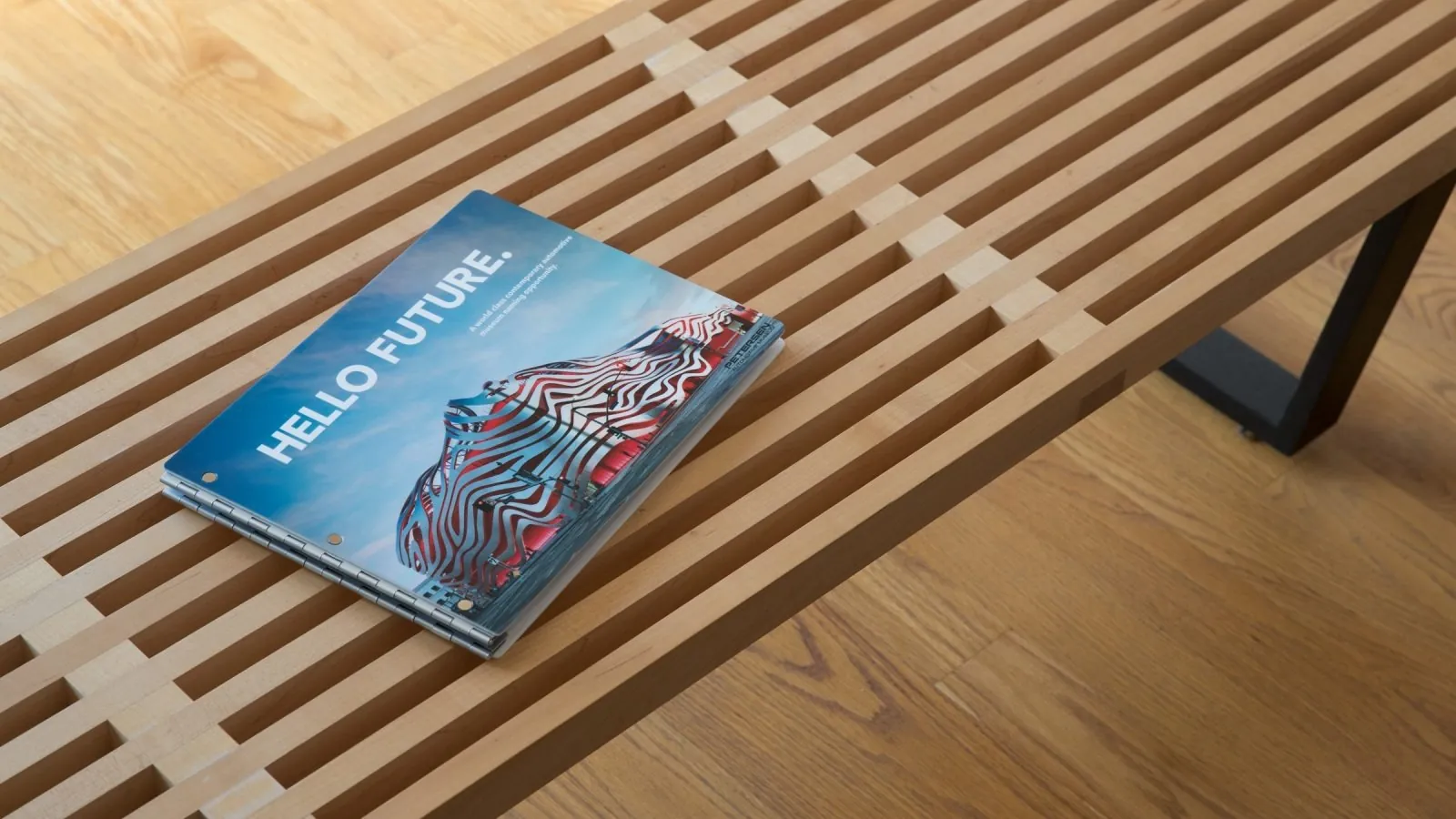
Museum-grade is not marketing language here. It describes materials chosen to protect the prints they hold: archival construction, pages that will not yellow onto the work, a case that survives the overhead bin and the taxi trunk. The portfolio is the photographer's most handled object, opened by strangers with coffee nearby. It has to be tougher than the work deserves and quieter than the photographer wants to be.
Who it serves: the photographer walking into the agency, the art director's office, the meeting that decides the next six months. Also the collector and the gallerist, because the screwpost format serves the edition as well as the pitch. The book presents prints the way a wall would, one spread at a time, at a scale the hand can hold.
Photographers who have carried the same Zangaro for a decade talk about it the way musicians talk about an instrument case: scuffed, stickered, irreplaceable. The book accumulates the career physically, the old prints retired to the back, the new work always up front. Long after the files have migrated across five hard drives, the portfolio is still there, still opening to the spread that got the job.
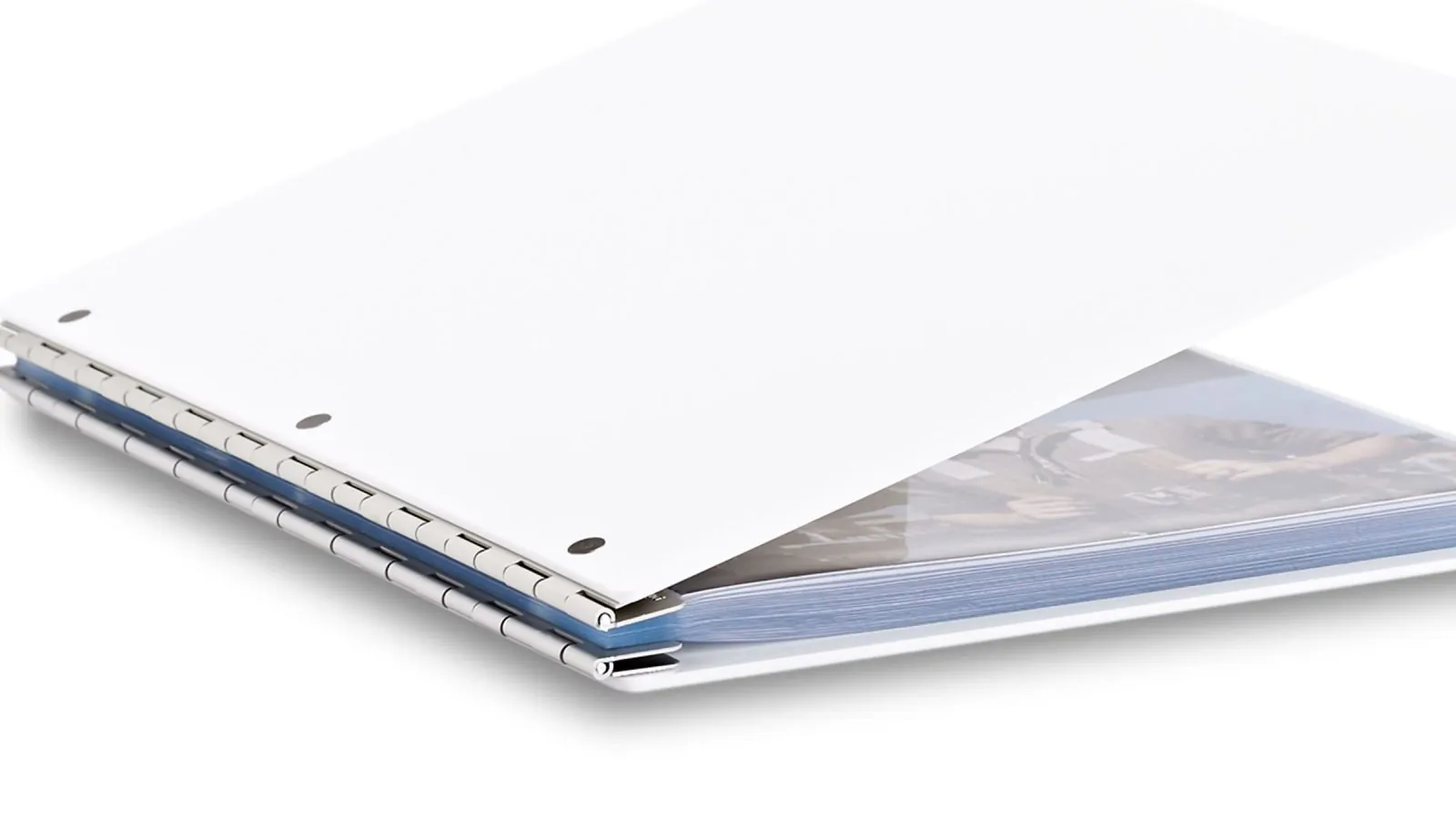
Where it sits in the process: at the end of the image's journey and the beginning of the photographer's next job. The shoot produces files, the edit produces prints, the prints go into the Zangaro, and the Zangaro goes into the meeting. Every working photographer knows the feeling of the case's weight on the way in and the lightness, or the heaviness, on the way out.
The dry observation: in an industry that now reviews most work on screens, the physical portfolio is a deliberate anachronism, and that is its power. Anyone can email a PDF. Carrying the book says the work was worth printing, mounting, and sequencing by hand. The medium is part of the message, and the message is seriousness.
Confirm pricing at the linked page; sizes and configurations vary. The Pina Zangaro does not take photographs. It gets them hired, which on a working photographer's bench is the more valuable function.