Instrument of craft: Hahnemuhle
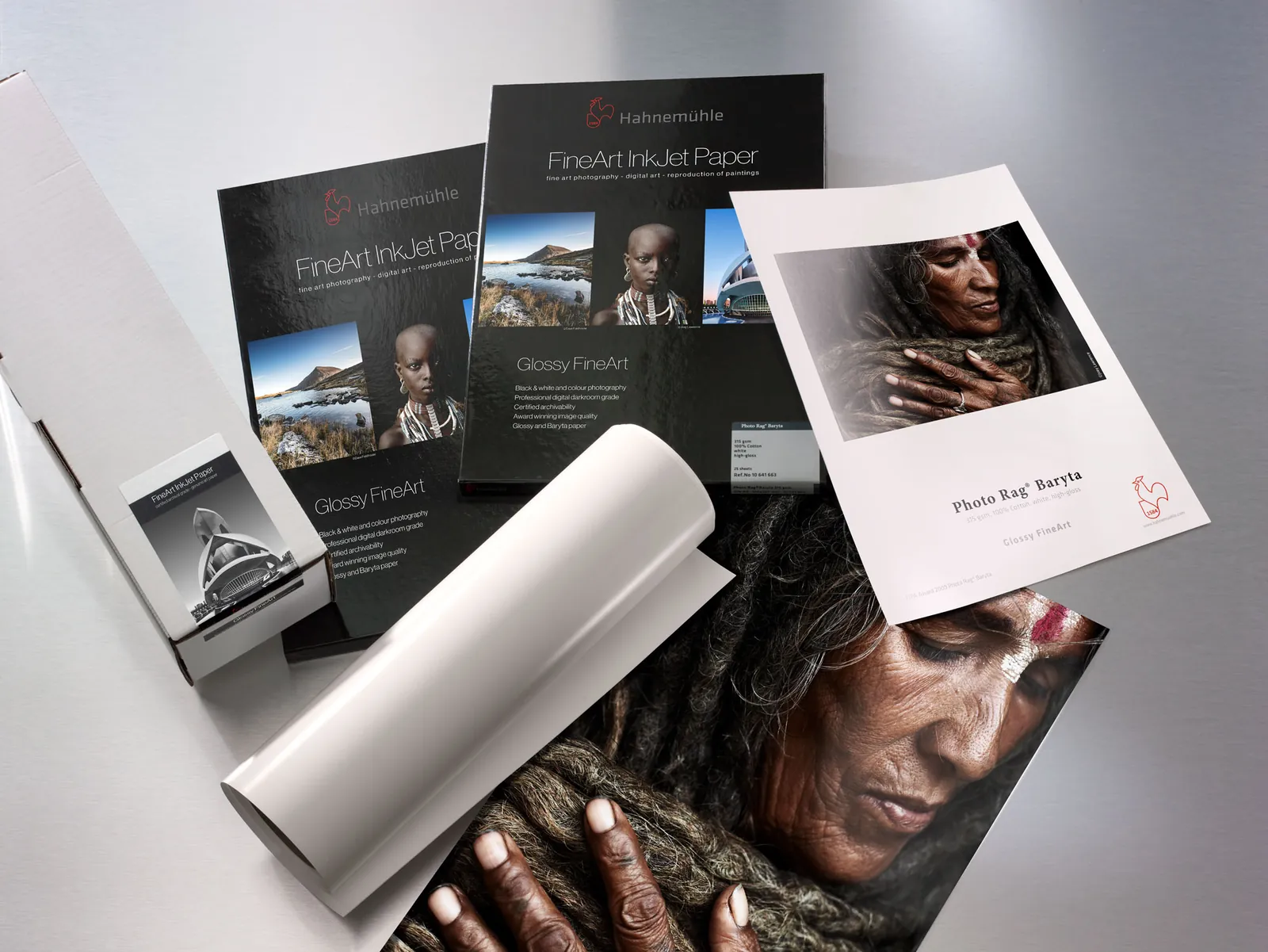
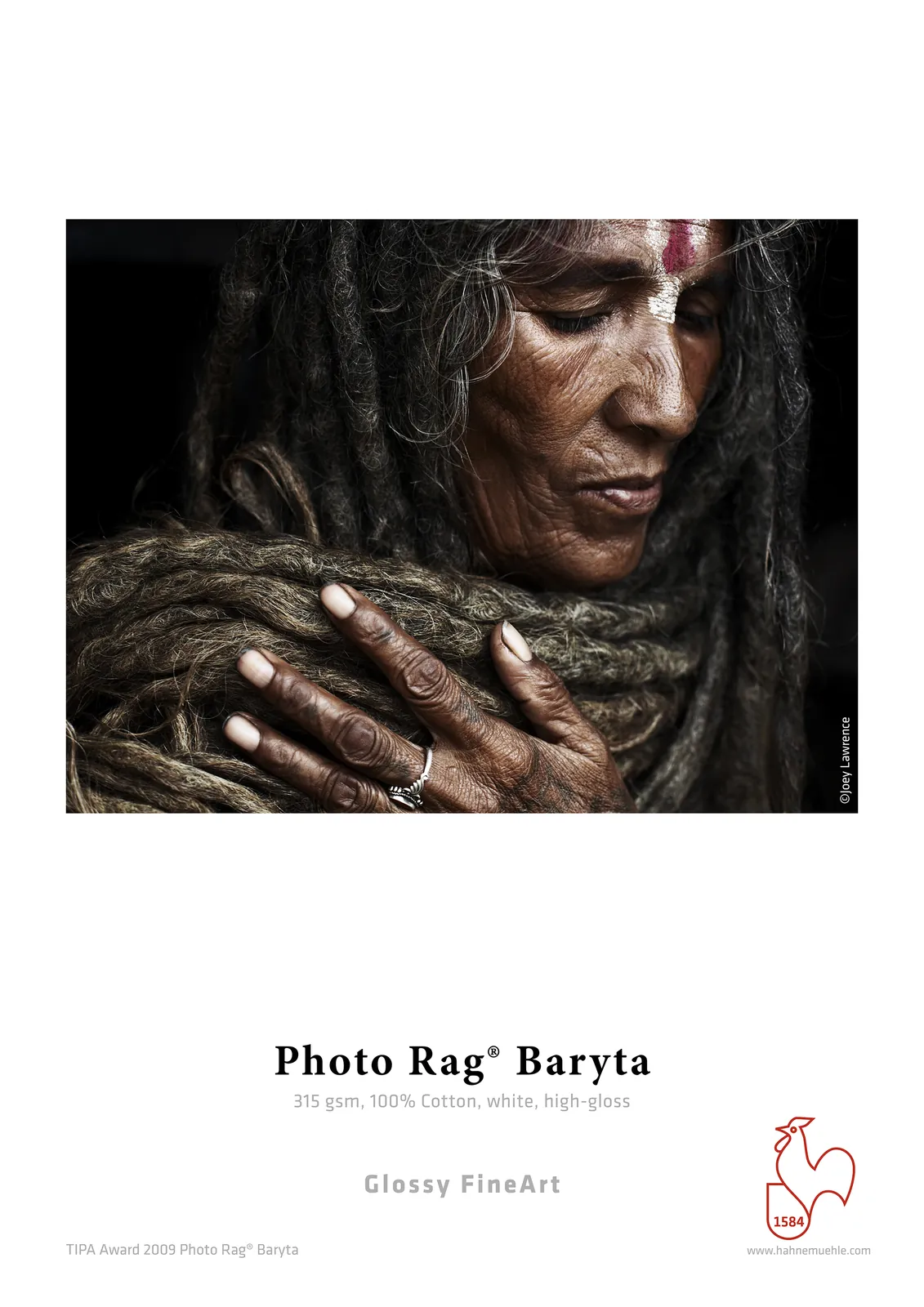
Hahnemuhle Photo Rag Baryta
The paper for the print that matters.
- Maker
- Hahnemuhle
- Published
- September 8, 2026
The print is the photograph's final form, and the paper is the print's final decision. Hahnemuhle Photo Rag Baryta is the 100 percent cotton baryta paper that fashion photographers and collectors choose for exhibition and portfolio editions: the surface where the image stops being a file and becomes an object.
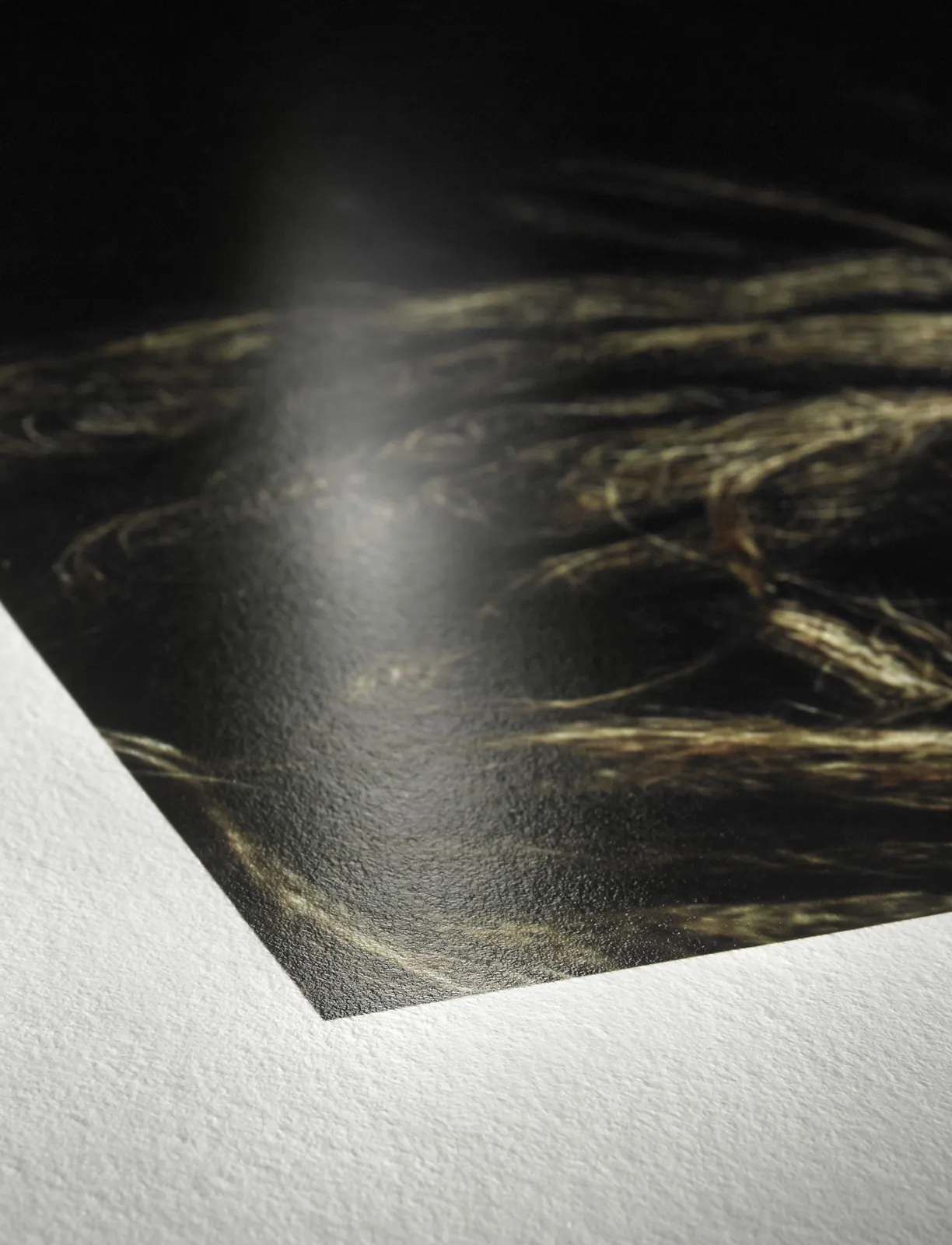
Baryta is an old word carrying a precise meaning. The barium sulphate layer is the coating that gave silver gelatin prints their luminous depth, the reason a vintage print holds light inside itself rather than reflecting it off the surface. Photo Rag Baryta brings that coating to a cotton base, which means the digital print inherits the physical intelligence of the darkroom print. Blacks go deep without going dead. Highlights hold detail without glare.
One hundred percent cotton is the archival argument. Cotton rag does not yellow, does not become brittle, does not betray the print in fifty years the way wood-pulp papers do. For the collector buying an edition and the museum acquiring for the permanent collection, the paper is part of the provenance. Hahnemuhle's cotton base is the industry's shorthand for permanence, the material promise that the print will outlive the conversation about it.
Who it serves: the photographer printing the exhibition, the portfolio edition, the print that has to stand next to vintage silver on a gallery wall without apology. Also the retoucher-turned-printer, the craftsperson who knows that the last ten percent of image quality lives in the paper choice.
Printers develop loyalties the way photographers develop film preferences, and the baryta loyalty runs deep. Once a photographer has seen their blacks sit in cotton instead of on plastic, going back feels like a compromise they can see. The paper becomes part of the photographer's visual identity, as recognizable in a portfolio as a lens choice. Surfaces have signatures too.
Where it sits in the process: at the very end, after the edit, after the grade, after the proofing. The paper decision is made once per body of work and then it is made for years, because an edition printed across two papers is two editions. Photographers choose Photo Rag Baryta the way they choose a film stock: as a commitment to a look.
The dry note: paper discussions bore everyone except printers, and printers are right to be bored by everything else. The surface is where the image meets the eye, and no amount of capture resolution survives a bad substrate. The baryta layer is invisible when it works, which is the definition of craft: the better it performs, the less you notice it.
Confirm pricing at the linked page; sheet and roll sizes vary. Photo Rag Baryta is not the paper for the test print. It is the paper for the print that matters.